
Cholesterol has a terrible reputation. Mention the word, and many people immediately picture clogged arteries, heart attacks, and a long list of foods they should avoid. That concern is understandable, but it only tells half the story.
The human body does not treat cholesterol as useless waste. It produces cholesterol deliberately because this waxy, fat-like substance is involved in some of the most basic processes that keep us alive.
Every cell needs it, while the body also uses it to make hormones, vitamin D, and substances that help digest fat. So, why does the human body need cholesterol if high cholesterol can be dangerous? The key is balance.
Cholesterol itself is essential, but excessive amounts of certain cholesterol-carrying particles-particularly LDL-can contribute to artery damage over time.
Understanding that difference makes the subject much less confusing and helps you make smarter decisions about diet, testing, and heart health.
What Is Cholesterol, Exactly?
Cholesterol is a lipid, meaning it is a fat-like substance. It is found in the membranes surrounding cells throughout the body.
Unlike a nutrient that must always come from food, cholesterol can be produced internally. The liver makes much of the cholesterol the body requires.
Cholesterol does not dissolve in water, so it cannot travel freely through the bloodstream. Instead, the body packages it with proteins to form particles called lipoproteins.
LDL and HDL Are Cholesterol Carriers
LDL, or low-density lipoprotein, carries cholesterol to tissues where it can be used. HDL, or high-density lipoprotein, helps transport excess cholesterol back toward the liver for processing and removal.
People commonly call LDL “bad cholesterol” and HDL “good cholesterol,” but the cholesterol molecule inside them is not fundamentally different. The main difference is how these particles transport cholesterol and what may happen when too many LDL particles remain in the blood.
1. Cholesterol Builds and Stabilizes Every Cell
One of cholesterol’s most important jobs is supporting cell membranes. A cell membrane works as a flexible boundary, holding the cell together while controlling which substances can enter or leave.
Cholesterol helps membranes maintain the right balance between firmness and flexibility. This allows cells to preserve their structure, communicate with one another, move substances, and respond to changes in their environment.
Think of a cell membrane as a busy security gate rather than a solid brick wall. It must be strong enough to protect the cell but flexible enough to allow approved materials through. Cholesterol helps create that balance.
Because every organ is made from cells, this role affects the entire body. Your skin, muscles, liver, heart, and nervous system all depend on healthy cell membranes to function normally.
2. Cholesterol Helps Produce Essential Hormones
The body uses cholesterol as a starting material for steroid hormones. These include cortisol, aldosterone, estrogen, progesterone, and testosterone.
Cortisol is involved in the body’s response to stress and helps regulate metabolism. Aldosterone contributes to salt and fluid balance, while sex hormones support reproduction, sexual development, bone health, and several other biological functions.
This does not mean eating more cholesterol will automatically increase your hormone levels. Hormone production is managed by complex feedback systems involving the brain, glands, enzymes, and chemical signals.
The important point is that cholesterol provides part of the molecular foundation from which these hormones are created. Without it, the body would struggle to produce compounds needed for growth, reproduction, metabolism, and everyday regulation.
3. Cholesterol Supports Vitamin D Production
Vitamin D is often described simply as a vitamin, but it also acts like a hormone. It helps the body absorb calcium and supports healthy bones, teeth, muscles, and several other physiological processes.
When ultraviolet B light reaches the skin, it starts a series of chemical reactions involving a cholesterol-related compound. That compound is eventually processed by the liver and kidneys to produce the active form of vitamin D.
Cholesterol alone does not guarantee healthy vitamin D levels. Sun exposure, skin pigmentation, clothing, age, season, location, diet, and supplementation may all influence vitamin D status.
Still, the production pathway demonstrates an important point: cholesterol chemistry is not an accidental or unnecessary feature of the human body. It is connected to processes that support strong bones and normal physical function.
4. Cholesterol Helps the Body Digest Fat
Cholesterol is used by the liver to make bile acids. These substances are released into the digestive system and help the body process the fats found in food.
Fat does not mix easily with the watery environment inside the digestive tract. Bile acids break large fat droplets into much smaller ones, making them easier for digestive enzymes to access.
This process also helps the body absorb fat-soluble vitamins, including vitamins A, D, E, and K. These nutrients are involved in functions such as vision, bone maintenance, antioxidant protection, and normal blood clotting.
You can loosely compare bile acids to dish soap breaking grease into smaller droplets in water. The biological process is more complicated, but the comparison makes it easier to understand why cholesterol contributes to digestion.
5. Cholesterol Supports the Brain and Nervous System
Cholesterol is especially important in the central nervous system. It contributes to brain cell membranes and supports synapses, which are the communication points through which nerve cells exchange signals.
It is also a major component of myelin, the fatty insulating material wrapped around many nerve fibers. Myelin allows electrical signals to travel efficiently through the nervous system, much like insulation around an electrical cable.
The brain manages much of its cholesterol locally because the blood–brain barrier limits the movement of cholesterol from the bloodstream into brain tissue.
This distinction is important. It means that cholesterol inside the brain and cholesterol measured during a standard blood test are part of related but different biological systems. Having high blood cholesterol does not simply mean the brain has more useful cholesterol available.
6. Why Necessary Cholesterol Can Still Be Harmful
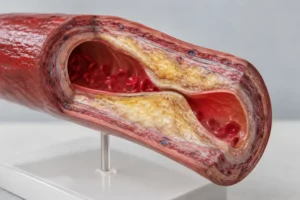
The body needs cholesterol inside its cells, but too much cholesterol circulating in certain lipoproteins can create health problems. High LDL levels make it more likely that cholesterol will become deposited within artery walls.
Over time, these deposits can contribute to plaque formation, known as atherosclerosis. Plaque may narrow an artery or rupture and cause a blood clot. Depending on where the blockage occurs, this can result in a heart attack or stroke.
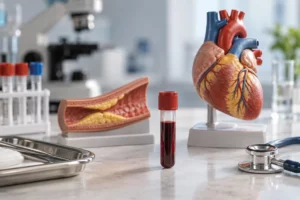
High blood cholesterol usually causes no obvious symptoms. Someone can feel healthy and physically active while still having an unhealthy LDL level, which is why a lipid panel or cholesterol blood test is important.
Does the Body Need Cholesterol From Food?
The body can manufacture all the cholesterol it needs, so people do not need to obtain cholesterol directly from food. Dietary cholesterol is naturally present in animal-derived foods such as eggs, meat, seafood, and dairy products.
For heart health, the entire eating pattern matters more than obsessing over one ingredient. Diets high in saturated and trans fats may raise LDL cholesterol, while meals built around vegetables, fruit, beans, whole grains, nuts, fish, and unsaturated fats can support cardiovascular health.
Genetics, age, smoking, physical activity, diabetes, thyroid disorders, certain medications, and other health factors may also influence cholesterol levels. This is why test results should be interpreted in the context of a person’s overall health rather than viewed as isolated numbers.
The answer to “Why does the human body need cholesterol?” is surprisingly broad. Cholesterol strengthens cell membranes, provides raw material for essential hormones, supports vitamin D production, helps create bile acids, and contributes to healthy brain and nerve function.
The goal is not to remove every trace of cholesterol from your body or diet. Instead, it is to maintain a healthy balance and prevent excessive LDL from contributing to artery damage.
Consider asking about a lipid panel during your next health check, particularly if you have diabetes, high blood pressure, previous abnormal results, or a family history of early heart disease.
Review your results with a qualified healthcare professional and focus on realistic habits that protect your long-term cardiovascular health.