
You may have heard cholesterol described as something “bad” that should be avoided at all costs. That makes it sound like a harmful ingredient hiding inside your breakfast. In reality, your body needs cholesterol to function.
So, what is cholesterol? It is a waxy, fat-like substance found in your blood and cells. Your body uses it to build cell membranes and produce hormones, vitamin D, and substances that help digest food.
Trouble begins when certain cholesterol-carrying particles become too abundant in the bloodstream. High cholesterol usually causes no noticeable symptoms.
You can feel healthy while fatty deposits slowly develop inside your arteries. That is why understanding LDL, HDL, triglycerides, and cholesterol testing matters-even when heart disease feels like a distant concern.
This beginner’s guide explains cholesterol in plain English, including where it comes from, what the numbers mean, why levels rise, and practical ways to protect your heart.
What Exactly Is Cholesterol?
Cholesterol is a lipid, or fat-like substance, that performs several essential jobs. It supports cell membranes and helps the body make steroid hormones, vitamin D, and bile-related substances used in digestion.
Because cholesterol cannot dissolve in watery blood, it travels inside packages called lipoproteins. Your liver produces the cholesterol your body needs, while animal-derived foods such as meat, cheese, dairy products, and egg yolks also contain dietary cholesterol.
Blood cholesterol and dietary cholesterol are related, but they are not identical. For many people, the overall diet-particularly saturated and trans fat intake-matters more than one cholesterol-containing food eaten occasionally.
LDL, HDL, and Triglycerides Explained
A lipid panel includes several numbers because different particles transport fats through the blood. Each number provides different information about your cardiovascular health.
1. LDL Cholesterol
Low-density lipoprotein, or LDL, is commonly called “bad” cholesterol. LDL transports cholesterol from the liver to cells throughout the body.
When too much LDL circulates in the blood, cholesterol can become trapped in artery walls and contribute to plaque formation. Lower LDL is generally better, although the ideal target depends on a person’s overall cardiovascular risk.
2. HDL Cholesterol
High-density lipoprotein, or HDL, is often called “good” cholesterol. It helps carry cholesterol back toward the liver, where it can be processed and removed from the body.
However, a high HDL result does not automatically cancel out high LDL, smoking, diabetes, high blood pressure, or other heart disease risk factors.
3. Triglycerides
Triglycerides are not cholesterol, but they are another type of blood fat measured during a cholesterol test. Your body uses triglycerides for energy and stores unused amounts in fat tissue.
High triglycerides, especially when combined with high LDL or low HDL, can increase the risk of heart attack and stroke.
Why High Cholesterol Can Be Dangerous
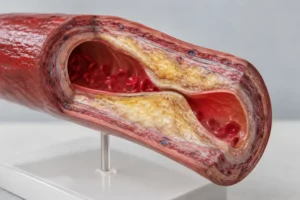
The main concern associated with high cholesterol is atherosclerosis. This is a gradual process in which cholesterol and other materials form plaque inside artery walls.
As plaque grows, it can narrow the space available for blood to flow. This means the heart, brain, and other organs may receive less oxygen-rich blood.
Plaque may also rupture and trigger the formation of a blood clot. A blockage affecting an artery in the heart can cause angina or a heart attack, while one affecting the brain can cause a stroke.
The difficult part is that high cholesterol itself usually has no warning signs. You cannot reliably judge it from body size, appearance, fitness level, or how energetic you feel.
A slim and physically active person may still have high LDL because of genetics. A blood test is therefore the only dependable way to know your cholesterol numbers.
What Do Cholesterol Numbers Mean?
A cholesterol test commonly reports total cholesterol, LDL, HDL, triglycerides, and sometimes non-HDL cholesterol. Results may appear in milligrams per deciliter, or mg/dL, although laboratories in some countries use mmol/L.
For generally healthy adults, commonly used reference points include:
- Total cholesterol below 200 mg/dL
- LDL cholesterol below 100 mg/dL
- Non-HDL cholesterol below 130 mg/dL
- Triglycerides below 150 mg/dL
An HDL level of 60 mg/dL or higher is often considered favorable. HDL below 40 mg/dL in men or below 50 mg/dL in women is generally considered low.
However, these figures are starting points rather than universal treatment goals.
Imagine that a cholesterol test shows total cholesterol of 210 mg/dL, LDL of 135 mg/dL, HDL of 55 mg/dL, and triglycerides of 100 mg/dL. The total and LDL numbers may be above general healthy ranges, but they do not tell the entire story.
A healthcare professional would also consider the person’s age, blood pressure, smoking history, diabetes status, family history, and previous heart or blood vessel disease before recommending treatment.
What Causes High Cholesterol?
High cholesterol usually reflects a mixture of genetics, lifestyle, age, medical conditions, and sometimes medication. It is rarely caused by one food or one unhealthy meal.
Genes can strongly influence how efficiently the liver removes LDL from the blood. Familial hypercholesterolemia, for example, is an inherited condition that can cause very high LDL levels from a young age.
Lifestyle factors also matter. Diets high in saturated fat, limited physical activity, smoking, excess body fat, and heavy alcohol use can contribute to an unhealthy lipid profile.
Certain health conditions may also affect cholesterol or triglyceride levels. These include diabetes, thyroid disorders, kidney disease, and some inflammatory conditions. Medications used for other health problems may influence lipid levels as well.
This helps explain why two people who eat similar meals can receive very different cholesterol results. Cholesterol is not simply a measurement of willpower or whether someone eats eggs.
How to Lower or Manage Cholesterol
A heart-healthy eating pattern is a strong starting point. Try building meals around vegetables, fruits, whole grains, beans, nuts, fish, and other lean protein sources.
Replacing foods high in saturated fat with sources of unsaturated fat may help lower LDL. Practical swaps include using olive or other liquid vegetable oils instead of butter, choosing fish or beans more often than processed meat, and selecting less heavily processed foods.
Soluble fiber from oats, barley, beans, lentils, apples, and similar foods may also support healthier LDL levels.
Regular physical activity benefits the heart, supports weight management, and can help lower triglycerides. It may also improve HDL cholesterol in some people.
Avoiding tobacco is equally important because smoking damages blood vessels and adds to cardiovascular risk. Getting enough sleep and managing blood pressure and blood sugar are also valuable parts of an overall heart-health plan.
Lifestyle changes are powerful, but they are not always enough. People with very high LDL, inherited cholesterol disorders, diabetes, previous cardiovascular events, or elevated overall risk may need medication.
Statins are commonly prescribed to lower LDL and reduce cardiovascular risk. Other medications may be used when statins are not suitable or do not lower cholesterol enough.
Medication decisions should always be made with a qualified healthcare professional. Never stop taking prescribed cholesterol medicine without speaking to your doctor or another appropriate medical provider.
Cholesterol is not an enemy. It is an essential substance that your body needs to build cells, produce hormones, and perform other important functions.
The real issue is balance-especially preventing LDL and other harmful particles from remaining too high for too long. Knowing your lipid panel gives you a clearer picture of your heart and blood vessel health.
The best next step is simple: get your cholesterol checked and discuss the results with a healthcare professional. Then focus on realistic habits such as eating more fiber-rich whole foods, replacing saturated fats, staying active, avoiding tobacco, and taking prescribed medication correctly.
Small, consistent choices can make a meaningful difference to your long-term heart health.