
High cholesterol can make healthy living feel like a complicated project. You may think you need an extremely strict diet, an expensive gym membership, or a complete lifestyle transformation before your cholesterol numbers will improve.
Fortunately, meaningful change often begins with much smaller steps. Eating more fiber, replacing certain fats, walking regularly, sleeping consistently, and avoiding tobacco can all support a healthier lipid profile.
These habits may help lower LDL cholesterol, improve triglycerides, and protect the arteries from long-term damage. Understanding how lifestyle changes can improve cholesterol levels is especially important because high cholesterol usually causes no obvious symptoms.
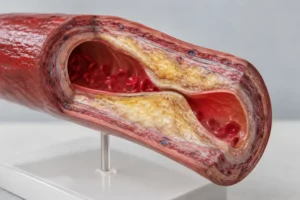
You may feel perfectly healthy while excess LDL contributes to plaque buildup inside your blood vessels. Lifestyle changes are not guaranteed to replace medication, particularly when genetics or existing heart disease are involved.
However, they remain a valuable part of cholesterol management for almost everyone. The goal is not perfection. It is creating realistic habits that you can repeat long enough to benefit your heart.
Start With a Heart-Healthy Eating Pattern
Food choices can influence the amount of LDL cholesterol and triglycerides circulating in your blood. A heart-conscious eating pattern emphasizes vegetables, fruit, whole grains, beans, nuts, seeds, fish, and other lean protein sources.
Rather than labeling individual foods as completely good or bad, look at what you eat most often. A nutritious breakfast will not cancel an entire week of heavily processed meals, just as one dessert will not ruin an otherwise balanced diet.
The American Heart Association recommends an overall pattern based on whole foods, fruits and vegetables, lean protein, nuts, seeds, and non-tropical oils such as olive and canola oil.
Simple changes can make this approach easier. Add vegetables to a familiar dinner, replace one processed-meat meal with beans or fish, or choose whole-grain bread instead of a refined version.
Replace Saturated Fat With Healthier Fats
Saturated fat can raise LDL cholesterol in many people. Common sources include butter, fatty cuts of meat, sausages, full-fat dairy products, coconut oil, palm oil, pastries, and certain fried foods.
The solution is not to remove all fat from your diet. Your body needs dietary fat, and replacing saturated fat with unsaturated fat is generally more useful than replacing it with refined starch or added sugar.
Try using olive or canola oil instead of butter for everyday cooking. Choose nuts, seeds, avocado, or fish more often, and select leaner cuts of meat when meat is part of the meal.
The National Heart, Lung, and Blood Institute’s Therapeutic Lifestyle Changes program recommends reducing saturated fat while adding healthier foods such as legumes, nuts, whole grains, fish, vegetables, and unsaturated oils.
You do not need to change everything at once. Replacing one frequently eaten source of saturated fat can be a more sustainable starting point than attempting a completely new diet overnight.
Add More Soluble Fiber
Soluble fiber forms a gel-like substance in the digestive system. It can reduce the absorption of cholesterol and help the body remove more of it through digestive processes.
Oats, barley, beans, chickpeas, lentils, apples, pears, oranges, and certain vegetables are useful sources. These foods also provide vitamins, minerals, and plant compounds that support overall health.
For example, oatmeal topped with fruit makes a fiber-rich breakfast. Bean soup, lentil curry, or a chickpea salad can increase soluble fiber at lunch or dinner without requiring unusual ingredients.
MedlinePlus notes that soluble fiber can help prevent the digestive tract from absorbing cholesterol and identifies oats, fruit, beans, and lentils as valuable sources.
Increase fiber gradually if your usual intake is low. Adding too much too quickly may cause bloating or digestive discomfort, so give your body time to adjust and drink enough water.
Make Regular Movement Part of Your Week
Physical activity can improve several parts of your cardiovascular health at the same time. It may help reduce LDL cholesterol, raise HDL cholesterol, lower triglycerides, support blood pressure control, and make weight management easier.
Adults are generally encouraged to get around 150 minutes of moderate-intensity activity or 75 minutes of vigorous activity each week. Moderate exercise includes activities such as brisk walking, relaxed cycling, dancing, or swimming at a comfortable pace.
That target may sound large, but it can be divided throughout the week. A 30-minute walk on five days reaches 150 minutes, while three 10-minute walks in one day can be easier to fit around work and family responsibilities.
The best exercise is not necessarily the hardest one. It is the activity you enjoy enough to perform consistently.
Start at a comfortable level if you have been inactive. People with chest pain, severe shortness of breath, an existing cardiovascular condition, or major mobility limitations should discuss a safe exercise plan with a healthcare professional.
Manage Weight Without Chasing Extreme Diets
Body weight is not the only measure of health, and people of any size can have abnormal cholesterol. Still, excess body fat-particularly around the waist-may be associated with higher LDL, elevated triglycerides, diabetes, and metabolic syndrome.
When weight loss is medically appropriate, even gradual progress may improve cholesterol and other cardiovascular risk factors. The NHLBI states that losing excess weight can improve cholesterol and triglyceride levels.
Extreme diets are rarely necessary and may be difficult to maintain. A better approach is combining modest food changes with regular movement, realistic portions, and meals that keep you satisfied.
Focus on habits that are useful even when the scale changes slowly. Cooking more meals at home, drinking fewer sugary beverages, eating more fiber, and walking after dinner can benefit your health independently of rapid weight loss.
Quit Smoking and Avoid Secondhand Smoke
Smoking damages blood vessels and makes cardiovascular disease more likely. It can also lower HDL cholesterol, the lipoprotein involved in transporting excess cholesterol back toward the liver.
Quitting smoking can help raise HDL, lower triglycerides, and improve the way arteries function. Avoiding secondhand smoke is valuable as well.
Stopping tobacco use can be difficult because nicotine dependence is both physical and behavioral. Support from a healthcare professional, counseling, quit programs, and approved medications may improve the chance of success.
Vaping should not automatically be treated as harmless. The long-term effects of newer nicotine-delivery products continue to be studied, and avoiding tobacco and inhaled nicotine remains part of the American Heart Association’s cardiovascular health recommendations.
Prioritize Consistent, Restful Sleep
Sleep is sometimes overlooked in conversations about cholesterol. However, poor or irregular sleep has been associated with less favorable LDL, HDL, and triglyceride levels.
Most adults need approximately seven to nine hours of sleep each night. Adequate sleep also supports brain function, recovery, and protection against chronic disease.
Try keeping a consistent bedtime and waking time, including on weekends. Reduce bright screens close to bedtime, keep the bedroom comfortable and dark, and limit large meals or excessive caffeine late in the day.
Persistent loud snoring, gasping during sleep, morning headaches, or severe daytime tiredness may suggest a sleep disorder such as sleep apnea. These symptoms deserve medical attention rather than being treated as ordinary poor sleep.
Track Your Progress With Cholesterol Tests
Lifestyle changes work gradually, so you cannot judge their effect based only on how you feel. A lipid panel measures total cholesterol, LDL, HDL, and triglycerides, allowing you and your healthcare professional to evaluate progress.
Keep a record of your results and note any major changes you have made. This makes it easier to see patterns and discuss whether your current approach is effective.
Avoid becoming discouraged if your numbers do not change dramatically. Genetics, age, diabetes, thyroid disorders, kidney disease, menopause, and certain medications can affect cholesterol independently of lifestyle.
The CDC recommends combining healthy lifestyle changes with prescribed cholesterol medicine when medication is needed. It also advises patients not to stop treatment without first speaking with a doctor, nurse, or pharmacist.
Needing medication does not mean your healthy habits have failed. Diet, physical activity, sleep, weight management, and medication can work together to reduce long-term cardiovascular risk.
Make Changes Small Enough to Last
Trying to improve every habit at once can quickly become overwhelming. Choose one or two specific actions that fit your current routine.
You might walk for 15 minutes after lunch, eat oatmeal three mornings per week, replace butter with olive oil, or add beans to two dinners. Once a change feels normal, add another.
Tracking habits can also help. The NHLBI recommends using realistic, measurable goals, such as adding a vegetable to one meal each week or increasing daily steps.
A sustainable plan should still include enjoyable food, rest, social life, and flexibility. Cholesterol management is a long-term process, not a punishment or a temporary challenge.
Lifestyle changes can improve cholesterol levels by addressing several connected risk factors. A diet lower in saturated fat and richer in soluble fiber can support lower LDL, while regular physical activity may improve LDL, HDL, triglycerides, weight, and cardiovascular fitness.
Quitting smoking protects the arteries, and consistent sleep supports the body’s wider metabolic health. These habits are most effective when they are realistic enough to continue.
Choose one practical change to begin this week, such as taking a daily walk or adding oats and beans to your meals. Then arrange a cholesterol test when recommended and review the complete results with a qualified healthcare professional.
Continue prescribed treatment unless your medical team advises otherwise, and let steady progress-not perfection-guide your heart-health plan.