
Exercise is usually associated with stronger muscles, better fitness, and weight management. However, regular movement can also change what is happening inside your bloodstream, including the way your body transports and uses cholesterol and other fats.
A standard lipid panel typically measures LDL cholesterol, HDL cholesterol, and triglycerides. LDL is often called “bad” cholesterol because high levels can contribute to fatty deposits inside the arteries.
HDL is known as “good” cholesterol because it helps transport excess cholesterol toward the liver. Triglycerides are a different type of blood fat used to store energy.
So, how does exercise affect LDL, HDL, and triglycerides? In general, regular physical activity can modestly lower LDL, raise HDL, and reduce triglycerides. The exact response depends on your starting levels, workout routine, genetics, diet, body composition, and medical history.
Exercise is not a guaranteed replacement for cholesterol medication, but it is one of the most useful lifestyle tools for improving cardiovascular health.
Understanding LDL, HDL, and Triglycerides
LDL, or low-density lipoprotein, carries cholesterol from the liver to cells throughout the body. This is a necessary job, but having too many LDL particles in circulation increases the chance that cholesterol will collect inside artery walls.
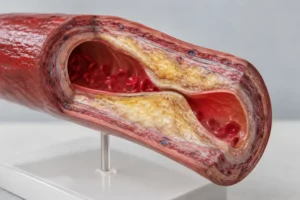
Over time, these deposits may form plaque and narrow the arteries. This process, called atherosclerosis, raises the risk of heart attack, stroke, and peripheral artery disease.
HDL, or high-density lipoprotein, helps carry cholesterol away from tissues and back toward the liver. A healthy HDL level is often associated with lower cardiovascular risk, although raising HDL alone does not automatically remove the danger caused by high LDL.
Triglycerides store excess energy from food. When you consume more energy than your body immediately needs, some of it can be converted into triglycerides and stored in fat cells.
High triglycerides combined with high LDL or low HDL can create a particularly unfavorable cardiovascular risk profile.
How Exercise Affects LDL Cholesterol
Regular exercise can reduce LDL cholesterol, although the average change is often modest. The American Heart Association reports that increasing physical activity may lower LDL by approximately 3 to 6 mg/dL on average. Individual responses can be smaller or considerably larger.
A 2024 systematic review covering 148 randomized controlled trials and more than 8,600 participants found that exercise training lowered LDL by an average of about 7.2 mg/dL. The researchers also emphasized that results varied among studies and individuals.
Exercise may influence LDL both directly and indirectly. Active muscles require energy, while regular training can improve insulin sensitivity and the body’s handling of fats.
Exercise may also support weight management, which can help the body clear LDL from the bloodstream more efficiently.
The effect is not always dramatic enough to replace medication, especially for someone with extremely high LDL or familial hypercholesterolemia. However, even a modest reduction can contribute to a larger heart-health plan.
How Exercise Can Raise HDL Cholesterol
HDL helps transport excess cholesterol back to the liver, where it can be processed and removed. Regular physical activity is one of the lifestyle habits associated with higher HDL levels.
The average increase may be relatively small. An American Heart Association scientific statement estimated that exercise can raise HDL by roughly 1 to 2 mg/dL, while the 2024 meta-analysis found an average improvement of about 2.1 mg/dL.
A small numerical change does not mean exercise is unimportant. Physical activity can improve blood pressure, insulin sensitivity, fitness, circulation, and overall cardiovascular risk even when HDL barely moves.
It is also important not to treat HDL as a score that should be pushed as high as possible. A high HDL result does not erase the risks associated with high LDL, smoking, diabetes, or uncontrolled blood pressure.
The complete lipid panel and overall health profile matter more than one number.
Why Exercise Often Helps Triglycerides
Triglycerides are particularly responsive to changes in physical activity. During exercise, working muscles need energy and can use fatty acids released from triglyceride-rich particles and stored body fat.
Regular activity also improves the body’s ability to process energy after meals. This means fewer excess calories may remain available to be converted into circulating triglycerides.
The American Heart Association estimates that greater physical activity can lower triglycerides by an average of around 4 to 12 mg/dL. The 2024 meta-analysis reported an average decrease of about 8 mg/dL across a wide range of exercise programs.
People with higher starting triglyceride levels may sometimes experience larger changes than those whose results are already normal. Weight loss, reducing added sugar, controlling diabetes, and limiting excessive alcohol can strengthen the triglyceride-lowering effect of exercise.
Which Types of Exercise Work Best?
Different forms of movement can contribute to a healthier lipid profile. You do not need to become a marathon runner or join an expensive gym.
1. Aerobic Exercise
Aerobic exercise raises your heart rate and keeps large muscle groups moving for an extended period. Examples include brisk walking, cycling, swimming, jogging, dancing, and rowing.
This type of exercise is especially useful for improving cardiovascular fitness and reducing triglycerides. Longer or more frequent aerobic sessions may also support modest improvements in LDL and HDL.
Moderate intensity means you are breathing faster but can still speak in short sentences. Vigorous exercise feels harder, and holding a full conversation becomes difficult.
2. Strength Training
Resistance exercise includes lifting weights, using resistance bands, performing push-ups, or completing bodyweight squats. It helps build and preserve muscle, which supports the body’s ability to use glucose and energy.
Strength training may improve cholesterol and triglycerides, although the size of the effect varies. Its wider benefits-stronger muscles, healthier bones, better physical function, and improved insulin sensitivity-make it a valuable partner to aerobic exercise.
3. Combined Training
A routine containing both aerobic exercise and strength training is usually the most balanced option. For example, someone might take brisk walks on four days and complete two short full-body resistance sessions each week.
The routine does not need to be complicated. Walking, cycling, gardening, dancing, lifting weights, and active household tasks can all contribute when performed regularly.
How Much Exercise Do You Need?
Current US physical activity guidance recommends that adults complete 150 to 300 minutes of moderate-intensity aerobic activity each week. An alternative is 75 to 150 minutes of vigorous activity or an equivalent combination of moderate and vigorous movement.
Adults are also advised to perform muscle-strengthening activities involving the major muscle groups on at least two days per week. You can divide 150 minutes into five 30-minute sessions, but that is not the only option.
Three 10-minute walks in a day still provide useful activity, and even short periods of movement count toward the weekly total. Any amount of physical activity can offer health benefits, particularly when it replaces sitting.
Beginners can start with 10 to 15 minutes of comfortable walking and gradually add time or pace. Consistency matters more than creating the perfect exercise schedule on the first day.
When Will Cholesterol Levels Start Changing?
Exercise can affect the way the body handles fat after a single session, but lasting changes in a lipid panel usually require a consistent routine over several weeks or months.
A practical approach is to continue a realistic exercise program and repeat your cholesterol test according to your healthcare provider’s advice. Comparing laboratory results over time is more reliable than trying to judge progress by appearance or fitness alone.
Your results may also be influenced by changes in diet, weight, medication, alcohol intake, smoking, sleep, diabetes control, and other health conditions. This makes it difficult to attribute every change to exercise alone.
Keep a simple record of your weekly activity and any major lifestyle adjustments. That information can help your healthcare professional interpret your next lipid panel.
Why Exercise Results Vary Between People
Two people can follow similar exercise programs and experience different cholesterol changes. Genetics influence how the liver produces and removes lipoproteins, while age, hormones, starting fitness, and existing medical conditions also matter.
People with lower starting LDL or triglycerides may see smaller numerical improvements because there is less room for those values to fall. Exercise intensity, session duration, and total weekly activity can also affect the outcome.
Weight loss may strengthen the effect for people carrying excess body fat, but exercise still provides cardiovascular benefits without weight loss.
A routine that improves stamina, blood pressure, blood sugar, and strength remains valuable even when the scale or cholesterol numbers change slowly.
Lifestyle improvements should also continue when medication is needed. MedlinePlus identifies regular activity as a way to lower LDL and triglycerides and raise HDL, while noting that some people still require cholesterol-lowering medicine.
Exercise Safely and Build a Sustainable Routine
Most people benefit from starting gradually. Choose an activity that is accessible, affordable, and enjoyable enough to repeat.
Stop exercising and seek urgent medical attention if you develop severe chest pressure, fainting, or unusual shortness of breath.
People with heart disease, significant joint problems, uncontrolled blood pressure, or a long period of inactivity may need professional guidance before beginning vigorous exercise.
Avoid the all-or-nothing mindset. Missing one workout does not erase your progress, and a gentle walk is still useful when a harder session is not realistic.
The CDC recommends making activity part of ordinary routines, such as taking the stairs, walking to nearby destinations, or moving during breaks. These small choices can help build the weekly volume needed to improve cholesterol and overall cardiovascular health.
Exercise can improve all three major parts of a lipid profile. Regular movement may modestly lower LDL cholesterol, raise HDL cholesterol, and reduce triglycerides, while also supporting healthier blood pressure, blood sugar, fitness, and body composition.
Aerobic activity appears especially helpful for triglycerides and cardiovascular fitness, while strength training adds important metabolic and physical benefits. Combining both is a practical long-term strategy.
Begin with an activity you can repeat, even if it is only a short daily walk. Gradually work toward recommended weekly targets, continue any prescribed medication, and arrange follow-up cholesterol testing with a healthcare professional.
The best exercise plan is not the most extreme one-it is the plan that becomes a normal part of your life.