
Cholesterol has one of the worst reputations in nutrition. The word often brings to mind blocked arteries, heart attacks, and foods that should be removed from the menu.
That reputation is not completely undeserved, but it leaves out an important fact: your body needs cholesterol to survive.
Cholesterol helps form cell membranes and supports the production of hormones, vitamin D, and substances used to digest fat. Your liver produces the cholesterol required for these jobs, while some also comes from animal-derived foods.
So, is all cholesterol bad for your health? No. The real concern is not cholesterol simply existing in the body. Problems develop when too many cholesterol-carrying particles-especially LDL particles-remain in the bloodstream for a long time.
Understanding the difference between cholesterol itself and the particles transporting it can make the entire topic much easier to understand.
What Is Cholesterol and Why Does the Body Need It?
Cholesterol is a waxy, fat-like substance found in every cell of the body. It contributes to the structure and stability of cell membranes, helping cells maintain their shape while communicating with their surroundings.
The body also uses cholesterol as a raw material for producing hormones such as cortisol, estrogen, progesterone, and testosterone. It supports vitamin D production and helps the liver create bile-related substances needed to digest dietary fat.
In other words, removing all cholesterol would not make the body healthier. It would interfere with essential biological functions.
The goal is balance. Your body needs enough cholesterol to perform its normal jobs without allowing excessive amounts of plaque-forming particles to circulate in the blood.
LDL and HDL Are Carriers, Not Different Types of Cholesterol
Cholesterol cannot dissolve in the watery bloodstream. To move around the body, it is packaged with fats and proteins inside particles called lipoproteins.
LDL and HDL are two of the best-known lipoproteins. The cholesterol molecule inside them is not “good” or “bad” by itself. The nicknames describe how the particles behave and where they carry cholesterol.
1. What Does LDL Do?
Low-density lipoprotein, or LDL, transports cholesterol from the liver to cells throughout the body. This is a necessary job because cells need cholesterol for their membranes and other functions.
However, when too many LDL particles circulate, some can enter artery walls and contribute to fatty plaque. High LDL levels are therefore associated with a greater risk of heart disease and stroke.
Calling LDL “bad cholesterol” is convenient, but slightly misleading. LDL is not useless or poisonous. It becomes harmful mainly when its concentration remains too high.
2. What Does HDL Do?
High-density lipoprotein, or HDL, helps collect excess cholesterol and transport it toward the liver, where it can be processed and removed. This is why HDL is commonly described as “good cholesterol.”
However, HDL does not remove every LDL particle or completely protect the arteries. A high HDL result cannot automatically cancel out very high LDL, smoking, diabetes, or uncontrolled blood pressure.
Modern cardiovascular assessment does not treat HDL as an isolated treatment target. Healthcare professionals consider it as one part of a person’s complete risk profile.
How Excess LDL Can Damage the Arteries
When LDL remains elevated, more cholesterol-containing particles have opportunities to enter the inner layers of the arteries. Some become trapped and trigger inflammation.
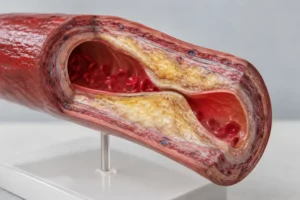
Over time, cholesterol, immune cells, calcium, and other materials may form a deposit called plaque. This process is known as atherosclerosis.
As plaque grows, an artery can become narrower and less flexible. Blood may have difficulty reaching the heart, brain, legs, or other organs.
A plaque can also rupture suddenly. The body responds by forming a blood clot, which may block the artery completely. A blockage in a coronary artery can cause a heart attack, while one affecting the brain can cause an ischemic stroke.
This process usually develops without obvious early symptoms. A person may feel healthy even while LDL-related plaque is gradually forming, which is why blood testing matters.
Is Higher HDL Always Better?
HDL has traditionally been treated as the cholesterol number people should raise as much as possible. The reality is more complicated.
A healthy HDL level may be associated with lower cardiovascular risk, but extremely high HDL is not guaranteed to provide extra protection. The quality and function of HDL particles may matter as much as the amount of cholesterol they carry.
More importantly, deliberately raising HDL with medication has not always produced the expected reduction in heart attacks and strokes. This is why treatment usually focuses more strongly on lowering LDL and other plaque-forming particles.
For example, someone with an HDL level of 70 mg/dL but an LDL level of 190 mg/dL should not assume their HDL makes the high LDL harmless. The complete lipid panel and personal medical history still require professional assessment.
What About Triglycerides?
Triglycerides are often included in cholesterol conversations, although they are not actually cholesterol. They are a type of fat the body uses to store excess energy.
After you eat, calories that are not immediately needed can be converted into triglycerides and stored in fat cells. High levels may be associated with excess calorie intake, poorly controlled diabetes, heavy alcohol use, limited physical activity, or genetic factors.
A normal triglyceride level is generally below 150 mg/dL for adults. High triglycerides are particularly concerning when combined with high LDL or low HDL because the overall pattern may increase cardiovascular risk.
Extremely high triglycerides may also increase the risk of pancreatitis, so they should not be dismissed simply because they are different from cholesterol.
Is Cholesterol in Food Automatically Bad?
Dietary cholesterol is found in animal-derived foods such as eggs, meat, seafood, and dairy products. Blood cholesterol is the cholesterol circulating inside lipoproteins.
The two are connected, but they are not identical. Your liver already produces the cholesterol your body needs, and people vary in how strongly their blood cholesterol responds to cholesterol-containing foods.
For many people, saturated and trans fats have a more predictable effect on LDL cholesterol than dietary cholesterol alone. Saturated fat is commonly found in butter, fatty meat, full-fat dairy, coconut oil, palm oil, pastries, and many processed foods.
Context also matters. Eggs served with vegetables and whole-grain toast create a different overall eating pattern from eggs served daily with bacon, sausages, butter, and fried foods.
Rather than fearing one ingredient, focus on the complete diet. Vegetables, fruit, beans, whole grains, nuts, fish, and unsaturated oils can form the foundation of a heart-supportive eating pattern.
What Do Healthy Cholesterol Levels Look Like?
A standard lipid panel usually measures total cholesterol, LDL, HDL, and triglycerides. It may also report non-HDL cholesterol, which includes cholesterol carried by several potentially plaque-forming particles.
For generally healthy adults, commonly used reference points include:
- Total cholesterol below 200 mg/dL
- LDL cholesterol below 100 mg/dL
- Non-HDL cholesterol below 130 mg/dL
- Triglycerides below 150 mg/dL
An HDL level of at least 60 mg/dL is often considered favorable, while levels below 40 mg/dL in men or 50 mg/dL in women are generally considered low.
These figures are not universal treatment targets. Someone with diabetes, previous heart disease, familial hypercholesterolemia, or several cardiovascular risk factors may need a much lower LDL goal.
A healthcare professional should interpret the numbers alongside age, blood pressure, smoking status, family history, medications, and existing medical conditions.
How to Maintain a Healthier Cholesterol Balance
Improving cholesterol is not about eliminating every source of fat. It is about creating habits that reduce plaque-forming particles while supporting overall cardiovascular health.
Replacing saturated fats with unsaturated fats can help. Practical examples include using olive or canola oil instead of butter, choosing fish or beans more often than processed meat, and eating nuts instead of pastries.
Soluble fiber from oats, barley, beans, lentils, apples, and similar foods may help lower LDL. Regular physical activity, avoiding tobacco, managing body weight when appropriate, and controlling diabetes or high blood pressure also matter.
Lifestyle changes are valuable, but they may not be enough for everyone. Genetics can strongly influence LDL levels, and some people require statins or other cholesterol-lowering medicines despite following healthy habits.
Needing medication is not a sign of failure. It is another tool for reducing long-term cardiovascular risk.
Not all cholesterol is bad for your health. Your body needs cholesterol to build cells, produce hormones, support vitamin D production, and digest fat. LDL and HDL are transport particles that move cholesterol through the body, and both have normal biological roles.
The danger appears when LDL and other plaque-forming particles remain too high for too long. HDL may help transport excess cholesterol, but it cannot erase the risks associated with elevated LDL.
Do not judge your cholesterol from your appearance, diet, or symptoms alone. Arrange a lipid panel when recommended and review every result with a qualified healthcare professional.
Understanding your personal numbers is the first step toward creating a realistic plan that protects your heart without treating cholesterol as the enemy.