
Cholesterol advice can feel like a collection of contradictions. Eggs are bad-until someone says they are healthy. HDL is protective-until a headline says “good cholesterol” is not always good.
Statins save lives, but social media posts may describe them as more dangerous than high cholesterol itself. No wonder people get confused. The truth is that cholesterol is neither a poison nor a simple number that can be judged in isolation.
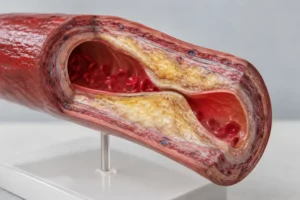
Your body needs it, but having too many cholesterol-carrying particles-especially LDL particles-can contribute to plaque inside the arteries. Diet matters, but genetics, age, medical conditions, smoking, physical activity, and medication matter too.
Understanding the most common cholesterol myths can help you avoid unnecessary food fears and, more importantly, prevent you from ignoring a genuine cardiovascular risk. Let’s separate popular assumptions from what the evidence actually tells us.
Myth 1: All Cholesterol Is Bad
Cholesterol is often discussed as though the body would be healthier without it. In reality, it is an essential fat-like substance used to build cell membranes and produce hormones, vitamin D, and substances involved in digestion.
The body naturally makes the cholesterol it needs. Because cholesterol cannot travel freely through the watery bloodstream, it is transported inside particles called lipoproteins.
LDL carries cholesterol to tissues, while HDL helps move some excess cholesterol back toward the liver. The problem is not the existence of cholesterol itself. It is having an unhealthy amount or pattern of cholesterol-carrying particles over time.
Calling LDL “bad” and HDL “good” is useful for beginners, but it oversimplifies a complex transport system. Your complete lipid profile and overall cardiovascular risk matter more than the nicknames.
Myth 2: You Can Feel High Cholesterol
High cholesterol usually does not cause headaches, dizziness, tiredness, chest discomfort, or another reliable early symptom. Most people cannot feel their LDL gradually rising.
Symptoms often appear only after atherosclerosis has significantly reduced blood flow or caused a serious complication. A heart attack or stroke may therefore be the first obvious sign that a person has been living with untreated cardiovascular risk.
The only reliable way to know your cholesterol levels is through a blood test called a lipid panel. It usually measures total cholesterol, LDL, HDL, and triglycerides.
Feeling energetic does not prove that your arteries are healthy. Regular testing is especially important when you have diabetes, high blood pressure, a family history of early heart disease, or previously abnormal results.
Myth 3: Only Older or Overweight People Get High Cholesterol
Age and excess body weight can increase cholesterol-related risk, but neither is required. Thin, active, and young people can still have high LDL.
Genes affect how the liver produces and removes cholesterol. Familial hypercholesterolemia, for example, is an inherited condition that can cause very high LDL from birth. Other medical conditions and certain medicines may also influence a person’s lipid profile.
This means you cannot estimate someone’s cholesterol by looking at their body. A person who exercises every day may have genetically elevated LDL, while someone in a larger body may receive a normal lipid-panel result.
Young age is not complete protection either. Long-term exposure matters, and elevated LDL during adolescence or early adulthood has been associated with greater heart disease risk later in life.
Myth 4: Eating Cholesterol Is the Only Cause of High Cholesterol
Blood cholesterol and dietary cholesterol are related, but they are not the same thing. Blood cholesterol describes what is circulating inside your lipoproteins, while dietary cholesterol is found in animal-derived foods such as eggs, meat, seafood, and dairy products.
For many people, regularly eating too much saturated fat has a stronger and more predictable effect on LDL than dietary cholesterol alone. Saturated fat is common in fatty meat, butter, full-fat dairy, coconut oil, palm oil, pastries, and many heavily processed foods.
Do You Need to Avoid Eggs Completely?
Not necessarily. Eggs can fit into a healthy eating pattern, depending on your LDL level, overall diet, and advice from your healthcare professional.
The context matters. Eggs eaten with vegetables, whole-grain toast, and fruit create a different meal from eggs regularly served with bacon, sausage, butter, and fried foods.
Instead of blaming one ingredient, look at your wider pattern. Fiber-rich plant foods, unsaturated fats, lean proteins, and less heavily processed meals generally offer a better strategy than obsessing over one source of dietary cholesterol.
Myth 5: High HDL Cancels Out High LDL
HDL is associated with the transport of excess cholesterol toward the liver, so a higher HDL result has traditionally been viewed as favorable. However, HDL is not a free pass.
A high HDL number does not erase the effects of elevated LDL, smoking, diabetes, high blood pressure, or a strong family history. Research has also challenged the idea that simply having very high HDL always provides extra protection.
Think of your lipid panel as a team report rather than a single score. LDL, non-HDL cholesterol, triglycerides, and sometimes markers such as lipoprotein(a) or apolipoprotein B may provide important information.
Someone with high HDL and very high LDL may still require treatment. Healthcare professionals assess the complete cardiovascular picture rather than subtracting the “good” number from the “bad” one.
Myth 6: Diet and Exercise Always Fix High Cholesterol
Healthy habits can make a meaningful difference. Reducing saturated fat, eating more soluble fiber, staying physically active, avoiding tobacco, getting adequate sleep, and managing weight may improve LDL, HDL, and triglycerides.
However, lifestyle changes do not produce identical results for everyone. Genetics can make it difficult for the liver to remove LDL, while diabetes, kidney disease, thyroid disorders, age, and some medicines can influence cholesterol levels.
A person with familial hypercholesterolemia may follow an excellent diet and still have dangerously high LDL. That is not a personal failure—it is a biological condition requiring appropriate medical treatment.
Lifestyle and medication are not competing choices. For many people, they work together: healthy habits reduce overall cardiovascular risk, while medicine provides the additional LDL lowering the body cannot achieve alone.
Myth 7: Statins Are More Dangerous Than High Cholesterol
Statins can cause side effects, as any medicine can. Muscle discomfort is commonly discussed, and certain people may experience liver-test changes or a small increase in blood glucose.
Still, serious complications are uncommon. For people who have sufficient cardiovascular risk, statins have been shown to lower LDL and reduce the likelihood of heart attack and stroke.
The decision should be personalized rather than based on frightening online stories. A healthcare professional can consider your age, LDL level, blood pressure, diabetes status, family history, previous cardiovascular disease, other medicines, and potential benefits.
Report possible side effects instead of silently stopping treatment. A different dose, another statin, or a non-statin medicine may be more suitable.
Supplements are not automatically safer because they are labeled “natural.” They may have side effects, interact with prescription drugs, or provide inconsistent doses. Discuss any cholesterol supplement with your healthcare team.
Myth 8: You Can Stop Medication Once Your Numbers Improve
A normal LDL result while taking medication often means the treatment is working. It does not necessarily mean the underlying tendency to produce or retain excess LDL has disappeared.
Stopping the medicine may allow cholesterol levels to rise again. This is especially important for people with inherited high cholesterol, diabetes, or established artery disease.
Treatment plans can change over time, but the decision should be made with a healthcare professional. Follow-up lipid panels help determine whether the current dose is effective and whether medicine should be adjusted.
Continue healthy habits even when medication controls your numbers. Exercise, nutritious food, avoiding tobacco, and managing blood pressure provide benefits that extend far beyond the lipid panel.
The Best Way to Understand Your Cholesterol
Do not rely on symptoms, appearance, food labels, or one isolated number. Start with a complete lipid panel and review the results in the context of your personal risk factors.
Ask what your LDL and non-HDL targets should be, whether your triglycerides need attention, and how often testing should be repeated.
People with a strong family history may also benefit from discussing lipoprotein(a), which is largely inherited and is not normally included in a standard lipid panel.
Most importantly, avoid turning cholesterol management into a moral judgment. High cholesterol can be influenced by lifestyle, but it can also reflect genetics, medical conditions, age, and circumstances outside a person’s control.
The most common cholesterol myths usually come from taking one true idea too far. Cholesterol is necessary, but excess LDL can damage arteries.
Diet matters, but one food does not determine your risk. HDL can be helpful, but it does not cancel high LDL. Healthy habits are essential, yet some people still need medication.
Because high cholesterol is usually silent, guessing is not enough. Check your lipid levels according to professional advice and review the complete results with a qualified healthcare provider.
Use that conversation to build a realistic plan involving food, activity, tobacco avoidance, sleep, and medication when needed. Reliable testing and consistent action will protect your heart far better than any viral cholesterol myth.