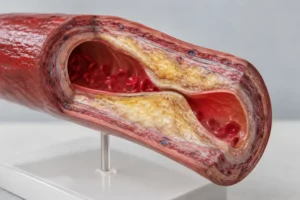

Food and cholesterol have a more complicated relationship than many people realize. Eating one cheeseburger will not instantly clog your arteries, and eating one bowl of oatmeal will not magically erase high LDL cholesterol.
What matters most is the eating pattern you follow consistently over time. Your liver produces the cholesterol your body needs, but food choices can influence how much LDL cholesterol, HDL cholesterol, and triglycerides circulate in your blood.
Saturated fat and trans fat may raise LDL, while soluble fiber and unsaturated fats can support a healthier lipid profile. Large amounts of added sugar and refined carbohydrates may also push triglyceride levels upward.
Understanding how food choices affect blood cholesterol helps you move beyond confusing labels such as “good” and “bad” foods. Instead of chasing a perfect diet, you can focus on practical swaps that support your heart without making every meal feel restrictive.
Blood Cholesterol and Dietary Cholesterol Are Different
Blood cholesterol is a waxy substance that travels through your bloodstream inside particles called lipoproteins. LDL carries cholesterol to tissues, while HDL helps transport excess cholesterol back toward the liver.
Dietary cholesterol is the cholesterol naturally found in animal-derived foods such as eggs, meat, seafood, and dairy products. Although eating these foods can affect blood cholesterol, the response varies from one person to another.
For many people, saturated fat has a stronger effect on LDL cholesterol than dietary cholesterol alone. Foods that contain cholesterol may also be rich in saturated fat, which makes it difficult to blame one nutrient without considering the whole food.
This is why modern heart-healthy advice focuses mainly on the overall eating pattern. A meal containing eggs with vegetables, whole-grain toast, and fruit is nutritionally different from eggs served with processed meat, buttered pastries, and fried potatoes.
Saturated Fat Can Raise LDL Cholesterol
Saturated fat is one of the most important dietary factors affecting LDL cholesterol. Eating too much can reduce the liver’s ability to clear LDL particles from the bloodstream, allowing more of them to remain in circulation.
Common sources include fatty cuts of meat, sausages, bacon, butter, cream, full-fat cheese, dairy desserts, coconut oil, palm oil, and many commercially baked products.
This does not mean these foods must never be eaten, but frequent large portions can make LDL management more difficult.
What you use as a replacement also matters. Removing butter but replacing it with sugary biscuits or refined white bread may not produce the heart-health benefits you expect.
A more useful approach is replacing some saturated fat with unsaturated fat. For example, cook with olive or canola oil instead of butter, choose fish or beans instead of processed meat, and snack on unsalted nuts instead of pastries.
Trans Fat Has an Unfavorable Effect on Cholesterol
Trans fat can raise LDL cholesterol and reduce HDL cholesterol, creating an especially unfavorable combination. Historically, artificial trans fat was widely found in partially hydrogenated oils used to improve the texture and shelf life of processed foods.
Artificial trans fat has been largely removed from the US food supply, but checking food labels can still be useful, particularly when buying imported or highly processed products. Look at the ingredient list for “partially hydrogenated oil.”
A Nutrition Facts label may occasionally display zero grams of trans fat even when a small amount is present in each serving. Eating several servings can cause those small quantities to add up.
Rather than focusing only on trans fat, compare packaged foods for saturated fat, added sugar, fiber, and serving size. A product marketed as “cholesterol-free” can still be high in saturated fat or refined carbohydrates.
Unsaturated Fats Can Support Healthier Levels
Monounsaturated and polyunsaturated fats are generally more heart-friendly replacements for saturated fats. They are found in foods such as olive oil, canola oil, nuts, seeds, avocados, and oily fish.
The key word is replace. Simply adding olive oil or nuts to a diet that is already high in butter, fatty meat, and excess calories may not produce the same benefit as swapping one fat source for another.
For example, try replacing butter on toast with avocado, using olive oil in salad dressing, or choosing salmon instead of a fatty processed meat. These changes can reduce saturated fat intake while adding beneficial nutrients.
Fish also provides protein and, in some varieties, omega-3 fatty acids. Omega-3 fats are particularly known for helping reduce triglyceride levels, although supplements should not be treated as automatic replacements for prescribed treatment or professional medical advice.
Heart-health guidance generally recommends choosing unsaturated fats in place of saturated fat as part of a broader eating pattern rich in minimally processed foods.
Soluble Fiber Helps Lower LDL Cholesterol
Soluble fiber absorbs water and forms a gel-like substance in the digestive tract. It can reduce the absorption of cholesterol and bile-related substances, encouraging the body to use more circulating cholesterol when producing new bile acids.
Good sources include oats, barley, beans, lentils, peas, apples, oranges, berries, okra, and some vegetables. Eating these foods regularly may help lower LDL cholesterol while also supporting digestion and blood sugar control.
A simple breakfast of oatmeal topped with berries and nuts provides soluble fiber and unsaturated fat. A bean-based soup or lentil curry can serve a similar purpose at lunch or dinner.
Increase fiber gradually, particularly if your usual diet is low in plant foods. A sudden large increase may cause bloating or discomfort. Drinking enough water can also make the transition easier.
Whole foods are usually a better starting point than relying entirely on fiber supplements. They provide vitamins, minerals, plant compounds, and greater variety alongside the fiber itself.
Sugar and Refined Carbohydrates Affect Triglycerides
Added sugar may not directly raise LDL in exactly the same way as saturated fat, but it can still affect the lipid panel. Diets containing large amounts of sugary drinks, sweets, and refined carbohydrates may increase triglycerides, particularly when they provide more energy than the body needs.
Refined grains such as white flour and white rice have much of their natural fiber removed. They are generally digested more quickly than less processed whole grains.
High intakes of added sugars, especially sugar-sweetened drinks, are associated with higher triglyceride levels. Physical inactivity, excess alcohol, and poorly controlled blood sugar may add to the problem.
You do not need to fear every carbohydrate. Beans, fruit, vegetables, oats, brown rice, and whole-grain products provide carbohydrates along with fiber and valuable nutrients.
The practical goal is to replace some sugary drinks and heavily refined snacks with water, unsweetened drinks, fruit, whole grains, or fiber-rich foods—not to remove all carbohydrates from your meals.
Overall Eating Patterns Matter More Than One Food
No single ingredient determines your cholesterol level. Genetics, age, activity, body weight, medical conditions, smoking, and medication can all influence your lipid profile.
Food still matters, but its effects build through repeated choices. A mostly heart-supportive diet can include occasional treats without losing its overall value.
Try building meals around vegetables, fruit, whole grains, beans, nuts, seeds, fish, and lean protein. Use unsaturated oils more often, while keeping foods high in saturated fat, added sugar, and heavy processing as smaller or less frequent parts of the diet.
Portion size also matters. Nuts and olive oil contain beneficial fats, but they are energy-dense. Eating more calories than your body uses can contribute to weight gain and higher triglycerides, even when the foods themselves are nutritious.
Healthy eating does not need to be expensive or complicated. Oats, beans, lentils, frozen vegetables, canned fish, and seasonal fruit can all fit into a cholesterol-conscious eating plan.
Practical Food Swaps for Better Cholesterol
Small substitutions are often easier to maintain than a complete diet overhaul. Replace full-fat dairy with lower-fat options when appropriate, or alternate meat-based meals with bean, lentil, tofu, or fish dishes.
Instead of frying food in butter, try baking, grilling, steaming, or using a small amount of liquid vegetable oil. Choose oatmeal or whole-grain cereal more often than pastries for breakfast.
For snacks, fruit, plain yogurt, or a small portion of nuts may provide more fiber or unsaturated fat than crisps, biscuits, or sweets. Replacing sugary drinks with water is another simple change that can reduce added sugar without shrinking your meals.
Check labels for saturated fat, trans fat, fiber, added sugar, and realistic serving sizes. Front-of-package claims such as “natural,” “low fat,” or “cholesterol-free” do not automatically mean a product supports healthy cholesterol.
When Diet Changes Are Not Enough
A nutritious diet can improve cholesterol levels, but it cannot change every risk factor. Some people naturally produce more cholesterol or clear LDL less efficiently because of their genes.
Conditions such as familial hypercholesterolemia may cause very high LDL even in people with excellent eating habits. Diabetes, thyroid disease, kidney problems, and certain medicines can also affect lipid levels.
Medication may therefore be necessary alongside lifestyle improvements. Needing a statin or another cholesterol-lowering treatment does not mean that healthy eating has failed.
Diet, physical activity, medication, and management of other risk factors can work together. Never stop prescribed medicine because your diet has improved without first consulting your healthcare professional.
Food choices affect blood cholesterol through several pathways. Saturated and trans fats can raise LDL, while soluble fiber and unsaturated fats may support healthier levels. Added sugar and refined carbohydrates can also contribute to elevated triglycerides.
The most effective strategy is not banning one food. It is creating a consistent eating pattern based mainly on vegetables, fruit, whole grains, beans, nuts, fish, lean proteins, and healthier fats.
Start with one realistic change, such as replacing butter with olive oil, adding oats or beans, or switching one sugary drink to water.
Then check your cholesterol as recommended and discuss the results with a healthcare professional. Your ideal eating plan should support both your heart health and your ability to enjoy food over the long term.