LDL cholesterol is often called “bad cholesterol,” but that nickname does not fully explain what it does. LDL particles have a normal job: they transport cholesterol through the bloodstream so cells can use it for membranes, hormones, and other essential functions.
The problem starts when too many LDL particles circulate for too long. Some can enter the walls of arteries, become trapped, and trigger a chain of biological reactions involving inflammation and immune cells.
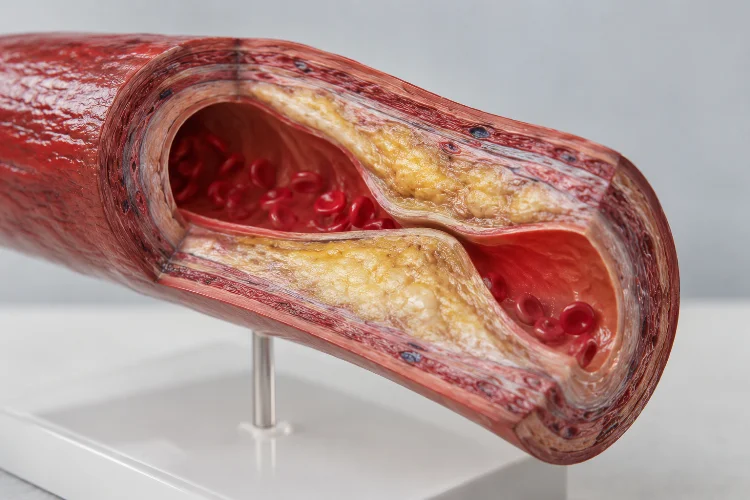
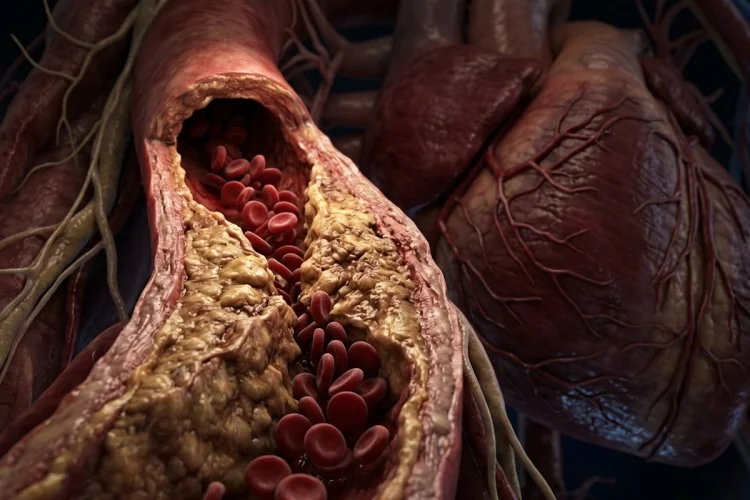
Gradually, cholesterol, damaged cells, calcium, and other substances collect in the artery wall, creating what we know as plaque. Understanding how LDL cholesterol contributes to artery plaque is important because this process usually happens silently.
You may feel completely healthy while atherosclerosis develops over many years. Eventually, plaque can restrict blood flow or suddenly rupture, increasing the risk of a heart attack or stroke.
Here is a beginner-friendly look at what happens inside the arteries-and why lowering LDL can make such a meaningful difference.
What Is LDL Cholesterol?
LDL stands for low-density lipoprotein. Technically, LDL is not cholesterol itself. It is a particle made from fat and protein that carries cholesterol through the blood.
Your body needs this transport system because cholesterol cannot dissolve in the watery bloodstream. LDL delivers cholesterol from the liver to cells that need it.
Having some LDL is therefore normal and necessary. Trouble develops when the number of LDL particles or the amount of cholesterol they carry becomes too high.
The longer the arteries are exposed to elevated LDL, the greater the opportunity for cholesterol-containing particles to enter their walls.
This is why both the level of LDL and the length of exposure matter when assessing cardiovascular risk. Evidence from genetic, biological, and clinical research supports LDL as a causal driver of atherosclerotic cardiovascular disease.
LDL Particles Enter the Artery Wall
Healthy arteries have a thin inner lining called the endothelium. This layer helps control blood flow, blood clotting, inflammation, and the movement of substances between the blood and artery wall.
LDL particles can cross this lining and enter the artery’s inner layer, known as the intima. This does not mean that every LDL particle entering an artery immediately creates plaque. Many particles can leave again without causing lasting harm.
The risk rises when LDL concentrations are high and more particles enter than the artery can efficiently remove. Conditions such as smoking, high blood pressure, diabetes, and chronic inflammation can also make the arterial environment less healthy.
You can imagine an artery wall as a filter beside a busy road. When traffic is light, particles move through without creating much trouble. When traffic becomes heavy and continues for years, more material can become stuck.
LDL Becomes Trapped Inside the Artery
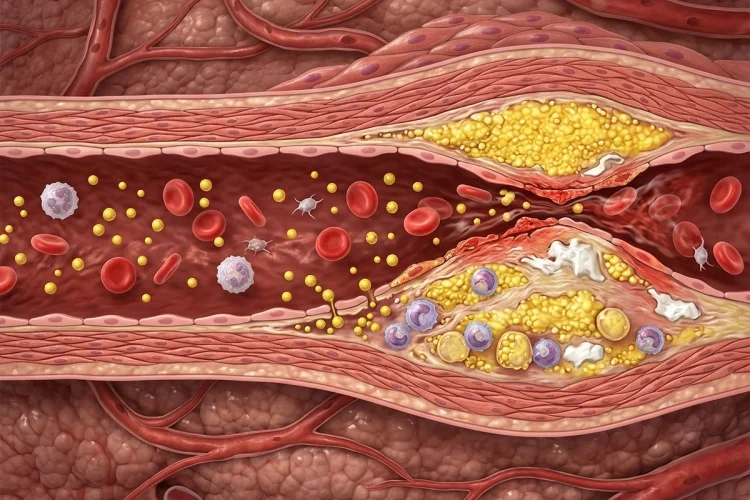
One of the earliest important steps in atherosclerosis is LDL retention. After entering the artery wall, some LDL particles bind to structural molecules called proteoglycans.
This binding prevents the particles from easily returning to the bloodstream. Once trapped, LDL remains in the artery wall longer and becomes more likely to undergo chemical changes.
Researchers sometimes describe this as the “response-to-retention” model of atherosclerosis. In simple terms, plaque formation begins not merely because LDL is present in the blood, but because cholesterol-containing particles are retained within the artery wall.
Higher LDL levels increase the number of opportunities for this retention to happen. Over decades, repeated retention can gradually turn a normal artery into one containing visible fatty deposits.
Trapped LDL Can Become Modified
Once LDL is stuck inside the artery wall, it may be changed through oxidation, aggregation, or other chemical processes. Oxidized LDL is commonly called oxLDL.
This modified LDL behaves differently from particles circulating normally in the bloodstream. It can irritate nearby cells and encourage the endothelium to produce chemical signals associated with inflammation.
Those signals attract immune cells called monocytes from the bloodstream. The monocytes move through the endothelial lining and enter the artery wall, where they develop into macrophages.
Macrophages normally protect the body by swallowing unwanted material, damaged cells, and microbes. Inside an artery, however, they begin consuming modified LDL particles.
It is worth noting that oxidation is not the only possible modification involved in plaque development. LDL particles may undergo several changes, and atherosclerosis is more complex than a single chemical reaction.
Macrophages Turn Into Foam Cells
Macrophages take up modified LDL through receptors known as scavenger receptors. Unlike the body’s usual LDL receptors, these receptors do not shut down efficiently when a cell becomes overloaded with cholesterol.
As a result, macrophages can continue swallowing modified LDL. Fat droplets accumulate inside them until the cells develop a foamy appearance under a microscope.
These cholesterol-filled macrophages are called foam cells. They are a defining feature of early atherosclerotic lesions.
Groups of foam cells create fatty streaks in artery walls. Fatty streaks can begin developing relatively early in life, although not every streak becomes a dangerous plaque.
When high LDL exposure and inflammation continue, more immune cells arrive. Some foam cells eventually die, releasing cholesterol and cellular debris into the surrounding tissue.
This creates a growing pool of fatty material called a lipid or necrotic core.
A Fatty Streak Develops Into Plaque
As cholesterol and dead cells accumulate, the artery attempts to contain the damaged area. Smooth muscle cells move toward the plaque and produce collagen and other structural material.
These materials form a fibrous cap over the lipid-rich core. The result is a more advanced atherosclerotic plaque.
The plaque does not simply sit on the surface like dirt inside a household pipe. It develops within the artery wall, causing that wall to thicken and gradually extend toward the space where blood flows.
Over time, plaque may also collect calcium. The artery can become stiffer and less able to expand normally.
As a stable plaque grows, it may narrow the artery enough to limit the supply of oxygen-rich blood. Plaque in coronary arteries can cause chest discomfort during physical activity, while plaque in leg arteries may cause pain or cramping when walking.
Plaque Rupture Can Create a Sudden Blockage
The size of a plaque is not the only concern. Some plaques become unstable because their fibrous caps are thin or highly inflamed.
If the surface of a plaque tears or ruptures, the material inside it is suddenly exposed to circulating blood. The body responds as though a blood vessel has been injured and begins forming a blood clot.
A large clot may partly or completely block the artery. When this happens in a coronary artery, part of the heart muscle can lose its blood supply, causing a heart attack.
When a clot blocks blood flow to part of the brain, it can cause an ischemic stroke. Plaque can also affect arteries supplying the legs, kidneys, intestines, and other areas of the body.
This explains why atherosclerosis may appear gradual but produce a sudden medical emergency. The plaque may have developed quietly for decades before rupturing.
Why Some People Develop Plaque Faster
LDL is a major driver of artery plaque, but it does not act alone. Several factors influence how quickly atherosclerosis develops and whether plaques become dangerous.
Smoking damages the endothelial lining and promotes inflammation. High blood pressure places repeated mechanical stress on artery walls, while diabetes can change blood vessels and lipoproteins in ways that encourage plaque formation.
Genetics also matter. Familial hypercholesterolemia can cause extremely high LDL from childhood, exposing the arteries to a much larger cholesterol burden over a lifetime.
Age, kidney disease, physical inactivity, and a diet high in saturated fat may contribute to the overall risk profile. Other cholesterol-containing particles, including triglyceride-rich remnants and lipoprotein(a), can also participate in atherosclerosis.
That is why healthcare professionals consider LDL alongside blood pressure, blood sugar, family history, smoking status, age, and previous cardiovascular disease rather than relying on one laboratory result.
Can Lowering LDL Slow Plaque Formation?
Reducing LDL means fewer atherogenic particles are available to enter and become retained within artery walls. Over time, this can slow the development of new plaque and reduce the risk of cardiovascular events.
Heart-healthy habits can help. These include replacing some saturated fats with unsaturated fats, eating more soluble fiber, exercising regularly, avoiding tobacco, and managing diabetes or high blood pressure.
However, lifestyle changes may not lower LDL enough for everyone. Genetics strongly influence cholesterol levels, and some people require medication even when they follow healthy habits.
Statins are commonly used because they reduce LDL and lower the risk of heart attack and stroke. Other treatments may be recommended when LDL remains high or a person has an elevated cardiovascular risk.
The appropriate LDL goal is personal. People with established cardiovascular disease or very high risk are often advised to reach lower levels than individuals with fewer risk factors. Current guidance emphasizes matching treatment intensity and lipid goals to a person’s overall risk.
LDL cholesterol contributes to artery plaque through a gradual chain of events. LDL particles enter the artery wall, become trapped and modified, attract immune cells, and are swallowed by macrophages that turn into foam cells.
Continued inflammation and cholesterol accumulation can then create a mature plaque with a fatty core and fibrous cap.
As plaque grows, it may restrict blood flow. If it ruptures, a blood clot can suddenly trigger a heart attack or stroke. Because this process rarely causes early symptoms, do not wait until something feels wrong.
Ask about a lipid panel, review your LDL and overall cardiovascular risk with a healthcare professional, and take practical steps to protect your arteries through healthy habits and appropriate treatment.