
High cholesterol is usually treated as an adult health problem. Many people associate it with middle age, years of unhealthy eating, or a lack of exercise. However, children and teenagers can also have unhealthy cholesterol levels-and some are born with them.
The condition is easy to miss because high cholesterol rarely causes noticeable symptoms. A child can appear healthy, play sports, and maintain a typical body weight while still having elevated LDL cholesterol.
Genetics, diet, activity levels, body composition, diabetes, and certain medical conditions may all influence the result.
Recent US data found that 16.5% of children and adolescents aged 6-19 had at least one abnormal cholesterol measure during August 2021-August 2023. This included high total cholesterol, high non-HDL cholesterol, or low HDL cholesterol.
So, can children and teenagers have high cholesterol? Yes-and identifying it early can help families reduce long-term cardiovascular risk before artery damage develops.
What Does High Cholesterol Mean in Children?
Cholesterol is a waxy substance that the body needs to build cells and produce hormones and other important compounds. Because it cannot dissolve in blood, it travels inside particles called lipoproteins.
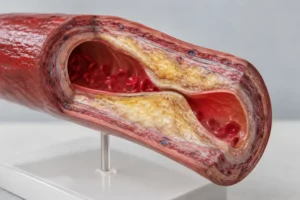
Low-density lipoprotein, or LDL, carries cholesterol to tissues. When too much LDL remains in the bloodstream, cholesterol-containing particles may enter artery walls and contribute to plaque formation.
High-density lipoprotein, or HDL, helps transport excess cholesterol back toward the liver. Triglycerides are another type of blood fat that stores unused energy from food.
Children use the same basic lipid measurements as adults, but pediatric results must be interpreted using age-appropriate ranges. A child’s laboratory report should therefore be reviewed with a pediatrician rather than compared directly with adult cholesterol goals.
How Common Is High Cholesterol in Young People?
Abnormal cholesterol is not rare among children and teenagers. According to a 2026 report from the US National Center for Health Statistics, 6.6% of young people aged 6-19 had high total cholesterol, 6.7% had high non-HDL cholesterol, and 9.2% had low HDL cholesterol.
These figures do not mean every affected child will develop heart disease. They show that unhealthy lipid levels can begin much earlier than many families expect.
Cholesterol problems may become more common when children have obesity, diabetes, limited physical activity, or diets high in saturated fat and heavily processed foods. However, children with a healthy weight can also be affected, especially when genetic factors are involved.
What Causes High Cholesterol in Children?
Childhood high cholesterol generally develops through a combination of genetics, lifestyle, and medical conditions. The balance differs from one child to another.
1. Genetics and Family History
Some children inherit genes that affect how the liver removes LDL from the blood. Familial hypercholesterolemia, or FH, is an inherited condition that causes very high LDL levels from birth.
A child with one parent who has a common form of FH typically has a 50% chance of inheriting it. Without early identification and treatment, FH can increase the risk of premature coronary artery disease, heart attack, and stroke.
A family history of very high cholesterol or early heart disease is therefore important. Parents should tell their child’s healthcare provider about heart attacks or strokes that occurred at unusually young ages in close relatives.
2. Diet and Physical Activity
Regularly eating foods high in saturated fat may raise LDL cholesterol. Common sources include fatty and processed meats, butter, full-fat dairy products, pastries, fried foods, coconut oil, and palm oil.
Limited physical activity can also contribute to higher triglycerides and lower HDL cholesterol. Sugary drinks, refined snacks, and excess calorie intake may make the lipid profile less favorable.
This does not mean parents should place children on extreme low-fat diets. Growing bodies need sufficient energy, protein, healthy fats, vitamins, and minerals. Any major dietary restriction should be planned with a pediatrician or registered dietitian.
3. Health Conditions and Medications
Diabetes, thyroid disorders, kidney disease, liver problems, and certain inflammatory conditions may affect cholesterol or triglyceride levels. Some prescription medicines can influence lipid results as well.
When cholesterol is unexpectedly high, a healthcare professional may investigate these possible secondary causes instead of assuming diet is solely responsible.
What Are Healthy Cholesterol Levels for Children?
Pediatric cholesterol is usually measured with a lipid panel. The test may include total cholesterol, LDL, HDL, triglycerides, and non-HDL cholesterol.
Under widely used NHLBI pediatric ranges, total cholesterol below 170 mg/dL is considered acceptable. A result of 170–199 mg/dL is borderline, while 200 mg/dL or higher is considered high.
For LDL cholesterol, below 110 mg/dL is generally acceptable, 110–129 mg/dL is borderline, and 130 mg/dL or higher is high. Non-HDL cholesterol below 120 mg/dL is considered acceptable, while 145 mg/dL or higher is high.
These categories are starting points, not automatic diagnoses. A healthcare professional may repeat the test, consider whether the child fasted, review family history, and evaluate other cardiovascular risk factors before recommending treatment.
A mildly abnormal result in an otherwise healthy child may be handled differently from very high LDL in a child whose parent has familial hypercholesterolemia.
When Should Children Have Their Cholesterol Checked?
The CDC advises that children have cholesterol checked at least once between ages 9 and 11, followed by another screening during late adolescence or early adulthood, commonly between ages 17 and 21.
Testing may begin as early as age 2 when a child has a family history of very high cholesterol, early heart attack, or stroke. Earlier or more frequent screening may also be considered for children with obesity, diabetes, kidney disease, or other important risk factors.
Not every organization interprets the screening evidence in exactly the same way.
The US Preventive Services Task Force states that current evidence is insufficient to determine the overall balance of benefits and harms of routine screening in all asymptomatic people aged 20 or younger.
This is not a recommendation against testing; it means the task force believes more evidence is needed.
Parents should discuss timing with their child’s healthcare provider, especially when family history or medical conditions raise concern.
Does High Cholesterol Cause Symptoms?
High cholesterol usually does not make children feel unwell. It normally causes no fatigue, pain, breathing problems, or changes in school performance.
In rare cases of severe inherited high cholesterol, fatty deposits may develop around tendons, the eyelids, or the cornea of the eye. However, most affected children have no visible signs.
The absence of symptoms does not mean elevated LDL is harmless. The concern is cumulative exposure: cholesterol may begin contributing to changes inside artery walls long before cardiovascular disease becomes noticeable.
That is why blood testing-not appearance, weight, or athletic ability-is the only reliable way to identify an abnormal lipid level.
How Is High Cholesterol Treated in Children?
Treatment depends on the child’s age, LDL level, underlying cause, family history, and additional health risks. Most children begin with family-based lifestyle changes.
Meals can focus more often on vegetables, fruit, beans, whole grains, nuts, fish, lean proteins, and unsaturated fats. Saturated fat, sugary drinks, and heavily processed foods can become smaller or less frequent parts of the overall eating pattern.
Children and teenagers should also have regular opportunities for enjoyable physical activity. Walking, cycling, swimming, dancing, team sports, playground activities, and active games can all support cardiovascular and metabolic health.
The goal should be health rather than punishment or appearance. Criticizing a child’s weight or putting one family member on a visibly different diet can create shame and an unhealthy relationship with food. Changes usually work better when the whole household participates.
When Is Cholesterol Medication Considered?
Most young people with mildly abnormal results do not immediately need medicine. Healthcare professionals generally begin with nutrition, activity, and management of any related medical condition.
Medication may be considered when LDL remains very high despite lifestyle changes, particularly when familial hypercholesterolemia is suspected or confirmed. Children with diabetes, kidney disease, or several cardiovascular risk factors may also require more intensive treatment.
Statins are the most commonly used LDL-lowering medicines. Depending on the child’s age, cholesterol level, and diagnosis, a specialist may recommend a statin or another therapy alongside continued healthy habits. FH often cannot be managed adequately through diet and exercise alone.
Medication decisions should be made by a pediatric clinician familiar with lipid disorders. Parents should not give children adult cholesterol medicines, supplements, or restrictive diets without professional guidance.
What Parents Can Do Next
Start by learning your family’s cardiovascular history. Ask whether parents, grandparents, or siblings have had very high LDL, coronary artery disease, heart attacks, or strokes at young ages.
At your child’s next checkup, ask whether cholesterol screening is appropriate. If a test result is abnormal, request a clear explanation of which values are high and whether the panel should be repeated.
Families can then choose one or two realistic changes. Replacing sugary drinks with water, adding fruit to breakfast, cooking beans more often, or taking an evening walk together may be easier to sustain than attempting a complete lifestyle overhaul.
Most importantly, avoid blame. High cholesterol can develop because of genetics and medical conditions as well as lifestyle. A child’s laboratory result is health information—not a judgment about discipline, body size, or parenting.
Children and teenagers can have high cholesterol, even when they appear healthy and active. Genetics, diet, physical activity, body composition, diabetes, and other medical conditions may all influence LDL, HDL, and triglyceride levels.
Because high cholesterol rarely causes symptoms, appropriate screening is the only reliable way to detect it. Early identification is especially important for familial hypercholesterolemia, which causes high LDL from birth and may require medication as well as healthy habits.
Review your family’s history and discuss pediatric cholesterol screening at your child’s next medical visit. When results are abnormal, work with a qualified healthcare professional to create a balanced plan that supports normal growth, emotional well-being, and long-term heart health.