
Statins are among the most commonly prescribed cholesterol medicines, but being told to take one can still feel worrying. You may wonder whether your cholesterol is dangerously high, how the medication changes your body, or whether you will need to take it forever.
So, what are statins and how do they work? Statins are prescription medicines that primarily lower LDL cholesterol-the type often called “bad” cholesterol. They slow cholesterol production in the liver and help the liver remove more LDL particles from the bloodstream.
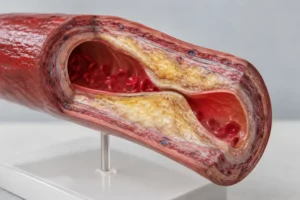
Lowering LDL matters because long-term exposure can contribute to fatty plaque inside artery walls. That plaque may eventually restrict blood flow or trigger a heart attack or stroke.
Statins do not simply improve a number on a laboratory report; they are used to reduce these serious cardiovascular risks.
Still, statins are not identical, and they are not necessary for everyone with a slightly elevated result. The right medicine and dose depend on your overall health, cholesterol levels, medical history, and personal risk.
What Are Statins?
Statins are a class of prescription medicines used to lower cholesterol in the blood. Their scientific name is HMG-CoA reductase inhibitors, although most people and healthcare professionals simply call them statins.
Common examples include atorvastatin, rosuvastatin, simvastatin, pravastatin, lovastatin, pitavastatin, and fluvastatin. These medications have the same basic purpose, but they differ in strength, dosage, metabolism, and possible interactions with other drugs.
Statins are usually the first medication considered when LDL cholesterol needs to be lowered. They may be prescribed on their own or combined with another cholesterol medicine when one drug does not reduce LDL enough.
Statins are not blood thinners, and they do not physically scrape cholesterol out of the arteries. They change how the liver produces and processes cholesterol, gradually reducing the number of harmful cholesterol-carrying particles in circulation.
How Do Statins Work in the Liver?
The liver is central to cholesterol management. It produces cholesterol for cell membranes, hormones, vitamin D, and several other essential processes.
1. They Block a Cholesterol-Producing Enzyme
Statins block an enzyme called HMG-CoA reductase. The liver uses this enzyme during an early stage of cholesterol production.
When the enzyme is partially blocked, liver cells make less cholesterol. This does not remove cholesterol from the body completely-the body still maintains the amount needed for normal biological functions.
2. They Help the Liver Remove More LDL
Reduced cholesterol production creates another useful response. The liver places more LDL receptors on the surface of its cells.
These receptors work like collection points. They capture LDL particles circulating in the bloodstream and bring them into the liver for processing.
As a result, less LDL remains in the blood where it could enter artery walls. This two-part action-making less cholesterol and clearing more LDL-is the main reason statins can significantly improve an unhealthy lipid profile.
How Do Statins Affect a Lipid Panel?
The biggest effect is usually a reduction in LDL cholesterol. The amount of change depends on the specific statin, the dose, starting cholesterol levels, genetics, and how consistently the medication is taken.
Statins are often described as low-, moderate-, or high-intensity. A higher-intensity treatment is designed to produce a larger LDL reduction, but the most powerful option is not automatically best for every patient.
These medicines may also lower triglycerides, another type of blood fat associated with cardiovascular risk. Some people experience a small increase in HDL cholesterol, although raising HDL is not the main goal of statin therapy.
A healthcare professional may repeat a lipid panel after treatment begins or the dose changes. The result helps show whether the medicine is working and whether the treatment plan needs adjustment.
How Statins Help Protect the Arteries
High LDL increases the chance that cholesterol-containing particles will become trapped inside artery walls. Over time, these particles can contribute to inflammation and the development of atherosclerotic plaque.
By lowering the supply of circulating LDL, statins reduce the amount available to enter the arteries. This can slow the growth of existing plaque and reduce the development of new deposits.
Statins may also help stabilize plaque. Stable plaque has a stronger outer covering and is less likely to rupture suddenly.
Plaque rupture is dangerous because it can cause a blood clot to form. A clot blocking an artery supplying the heart may cause a heart attack, while a blockage affecting the brain may result in an ischemic stroke.
This is why the benefits of statins go beyond receiving a lower LDL result. Studies have shown that these medicines reduce the risk of heart attack and stroke in people who are likely to benefit from treatment.
Who Is Usually Prescribed a Statin?
A high cholesterol result does not automatically lead to a prescription. Healthcare professionals consider the entire cardiovascular risk profile.
Statins are commonly recommended for people who already have atherosclerotic cardiovascular disease, including previous heart attack, certain strokes, coronary artery disease, or peripheral artery disease. In these cases, treatment aims to prevent another serious event.
They may also be recommended for people with very high LDL, familial hypercholesterolemia, diabetes, chronic kidney disease, HIV, or an elevated calculated risk of developing cardiovascular disease.
Current US guidance uses cholesterol results together with factors such as age, blood pressure, smoking, family history, and evidence of artery plaque. The recommended LDL goal becomes lower as cardiovascular risk increases.
Medication decisions should therefore come from a conversation with a qualified healthcare professional-not from comparing one result with a chart online.
What Are the Possible Side Effects?
Most people can take statins without serious problems. However, all medicines can cause side effects, and experiences vary between individuals.
Reported effects include headache, nausea, digestive discomfort, weakness, and muscle aches. Muscle symptoms deserve attention, especially when they are severe, unexplained, or accompanied by dark-colored urine.
Serious muscle damage can occur but is uncommon. Actual liver injury is also very rare, although statins can sometimes cause changes in liver-enzyme test results.
Statins may slightly increase the risk of type 2 diabetes, mainly among people who already have risk factors such as prediabetes, obesity, or metabolic syndrome.
For patients with a strong cardiovascular reason to take a statin, the protection against heart attack and stroke generally remains an important part of the benefit-risk discussion.
Do not stop the medication suddenly because of a symptom. A healthcare professional may adjust the dose, try another statin, check for a different cause, or consider a non-statin treatment.
How to Take Statins Safely
Take a statin according to the instructions on the prescription. Some can be taken at any time of day, while others may work best when taken in the evening because of how long they remain active.
Tell your doctor and pharmacist about all medicines, vitamins, and supplements you use. Certain antibiotics, antifungals, immune-system medicines, and other drugs can interact with some statins and increase the risk of side effects.
Grapefruit can also interact with certain statins, including some atorvastatin and simvastatin products.
It may increase the amount of medicine in the bloodstream, although it does not affect every statin. Check the medication information or ask a pharmacist rather than assuming grapefruit must always be avoided.
Discuss pregnancy plans promptly. The FDA advises most pregnant patients to stop statins, but rare exceptions may be considered for individuals at exceptionally high cardiovascular risk. Breastfeeding is not recommended when continued statin treatment is necessary.
Do Statins Replace a Healthy Lifestyle?
Taking a statin does not make food choices, physical activity, sleep, or smoking habits irrelevant. Medication and lifestyle changes address cardiovascular risk in different but complementary ways.
A heart-supportive eating pattern may include vegetables, fruit, whole grains, beans, nuts, fish, lean protein, and unsaturated fats. Regular movement can support cholesterol management, blood pressure, blood sugar, and overall fitness.
Avoiding tobacco is particularly important because smoking damages blood vessels independently of cholesterol. Managing diabetes and high blood pressure also reduces the strain placed on the heart and arteries.
Some people can improve mildly elevated cholesterol through lifestyle changes alone. Others need medicine because of genetics, previous cardiovascular disease, or a level of risk that cannot be reduced sufficiently through healthy habits.
Needing a statin does not mean you have failed. It means your treatment plan uses another proven tool to protect your long-term health.
Statins are prescription medicines that lower LDL cholesterol by slowing cholesterol production in the liver and helping the liver clear more LDL from the bloodstream.
This reduces the amount of cholesterol available to enter artery walls, slows plaque development, and lowers the risk of heart attack and stroke.
Most people tolerate statins well, although muscle symptoms, medication interactions, liver-test changes, and a small increase in diabetes risk should be discussed with a healthcare professional.
Review your cholesterol results, medical history, current medicines, and cardiovascular risk before beginning treatment. Once prescribed, take your statin consistently and report concerns rather than stopping it on your own.
Combined with heart-healthy habits, the right medication can provide meaningful long-term protection.